Category: Uncategorized

The Roman Amphitheater in Alexandria is a prominent historical site reflecting the city’s rich Roman heritage. Built during the Roman period, this amphitheater served as a cultural and social hub for theatrical performances, musical shows, and public gatherings. It is a rare example of Roman architecture in Egypt and offers visitors a glimpse into Alexandria’s vibrant past.

Alexandria port front (7)

Historical Background

Constructed in the 2nd century AD, the amphitheater was designed to host entertainment for both the local population and Roman officials. It highlights the Romans’ appreciation for art, performance, and public spectacles. Archaeologists have studied the site extensively, uncovering remnants of seating arrangements, stage structures, and decorative elements that reveal the sophistication of Roman engineering.

The amphitheater was part of a larger Roman complex in Alexandria, which included temples, baths, and public spaces, emphasizing the city’s importance as a major center of Roman culture and administration.

Architectural Features

The Roman Amphitheater in Alexandria is noted for its:

  • Semi-circular design, typical of Roman theaters

  • Tiered seating capable of accommodating hundreds of spectators

  • Stone construction with remnants of decorated columns and arches

  • Strategic location near major Roman complexes for easy access

The design ensured optimal acoustics, allowing audiences to hear performances clearly, and demonstrates the advanced engineering techniques employed by Roman architects.

Cultural and Tourism Significance

Today, the amphitheater is a must-visit landmark in Alexandria, attracting historians, archaeologists, and tourists alike. It provides insights into the cultural life of Roman Egypt, illustrating how public entertainment was intertwined with civic and religious practices.

Visitors can explore the seating areas, stage, and nearby ruins, gaining a comprehensive understanding of the historical significance of this ancient site. Photography enthusiasts also find the amphitheater’s structure and surrounding ruins ideal for capturing Alexandria’s ancient beauty.

Visiting Tips

  • Visit during early morning or late afternoon to avoid crowds and enjoy optimal lighting for photos.

  • Wear comfortable shoes as some areas have uneven surfaces.

  • Pair your visit with nearby Roman sites, such as Pompey’s Pillar, for a full historical tour of Alexandria.

Conclusion

The Roman Amphitheater Alexandria is a striking testament to the city’s Roman past. Its architectural elegance, cultural importance, and historical value make it an essential destination for anyone exploring Alexandria. Experiencing this site allows visitors to connect with the ancient traditions, entertainment, and social life of Roman Egypt.

Pompey’s Pillar, located in Alexandria, Egypt, is one of the city’s most famous and visually striking historical monuments. Standing 27 meters tall, this ancient Roman column has captivated visitors and historians alike for centuries. Despite its name, the pillar has no direct connection to Pompey the Great; it was erected in honor of Roman Emperor Diocletian in the 3rd century AD.

Pompey’s Pillar

Historical Background

The pillar was constructed to commemorate the victory of the Romans over the rebels in Alexandria after the death of Emperor Carus’ son, Numerian. Built from massive red granite blocks, the column reflects the engineering skills of the Romans and their ability to create enduring monuments.

Pompey’s Pillar has stood the test of time, surviving earthquakes and centuries of urban development. It serves as a symbol of Roman influence in Egypt and provides insight into the city’s rich imperial history.

Architectural Features

The pillar is made from a single piece of red granite and stands on a large square base. Originally, it was topped with a statue, possibly of Emperor Diocletian, though it no longer survives. Key architectural highlights include:

  • Massive red granite construction

  • Square pedestal with carved decorations

  • Impressive height and visibility from surrounding areas

Pompey’s Pillar is one of the tallest ancient monolithic columns ever erected and remains a remarkable example of Roman architecture in Egypt.

Cultural and Tourism Significance

Today, the pillar is a must-see landmark for visitors to Alexandria. It provides a tangible connection to the Roman era and is frequently photographed due to its striking presence. Tourists also enjoy exploring the surrounding ruins, including remnants of the Serapeum temple complex, once a major religious center in Alexandria.

The site offers a unique opportunity for history enthusiasts to understand how Roman power and Egyptian culture intertwined during the imperial period.

Visiting Tips

  • Visit during the morning or late afternoon for the best light for photography.

  • Wear comfortable shoes as the area surrounding the pillar has uneven stones.

  • Combine your visit with nearby attractions like the Serapeum ruins for a complete historical experience.

Conclusion

Pompey’s Pillar in Alexandria is more than just an ancient column; it is a symbol of the city’s Roman past and architectural prowess. Its imposing height and historical significance make it a highlight of any cultural or historical tour of Alexandria. Visiting this monument allows travelers to connect directly with the city’s ancient history and its enduring legacy.

Best Time to Visit Egypt: Weather, Seasons, and Travel Tips

When is the best time to visit Egypt? Whether you’re planning to explore the Pyramids of Giza, sail on a Nile cruise, or dive in the Red Sea, knowing the right season can make your trip unforgettable. This guide explains Egypt’s weather, seasons, and travel tips to help you plan your 2025 vacation.


1. Egypt’s Weather Overview

Egypt has a desert climate, meaning hot summers, mild winters, and plenty of sunshine. 🌞

  • Summer (May – September): Hot and dry, temperatures often exceed 35°C (95°F).

  • Winter (October – April): Mild, with daytime temperatures around 20–25°C (68–77°F).

  • Rain: Minimal, mostly in northern coastal cities like Alexandria.


2. Best Season for Sightseeing

The cool season (October to April) is perfect for exploring:

  • Cairo & Pyramids of Giza – Comfortable temperatures for walking tours.

  • Luxor & Aswan – Ideal for temples, Valley of the Kings, and Nile cruises.

  • Desert Adventures – Enjoy camping and safaris in the Western Desert.

👉 Tip: December and January are peak tourist months, so book early.


3. Best Time for Red Sea Holidays

Love sun and water sports? The Red Sea resorts like Hurghada and Sharm El-Sheikh are year-round destinations.

  • Spring (March – May): Perfect for diving and snorkeling.

  • Summer (June – August): Hot, but great for beach lovers.

  • Autumn (September – November): Clear waters and comfortable weather.


4. Festivals and Events in Egypt

Plan your trip around Egyptian festivals for a cultural experience:

  • Ramadan & Eid – A unique cultural atmosphere, with special foods and celebrations.

  • Abu Simbel Sun Festival (February & October): The temple alignment with the sun.

  • Christmas & New Year in Cairo: Special events and Nile cruises.


5. Travel Tips by Season

  • Summer: Stay hydrated, wear light clothes, and plan activities early morning or evening.

  • Winter: Bring a light jacket for cool nights.

  • Year-round: Use sunscreen and a hat under the Egyptian sun.


Conclusion

The best time to visit Egypt depends on your interests:

  • For sightseeing → October to April.

  • For beach holidays → Year-round, especially March–May and September–November.

  • For festivals → Plan around unique cultural events.

👉 Ready to explore Egypt? Book your journey with WOW Tours Egypt for tailor-made experiences.

Visa and Travel to Egypt: Your Complete 2025 Guide

Planning a trip to Egypt in 2025? 🌍 Before you explore the Pyramids of Giza, sail the Nile, or relax by the Red Sea, you need to understand the Egypt visa process, entry requirements, and travel regulations. This guide covers everything you need for a smooth journey.


1. Do You Need a Visa to Enter Egypt?

Most travelers require a visa to visit Egypt. However, the process is simple and fast. Depending on your nationality, you can:

  • Apply for an Egypt e-Visa online.

  • Get a Visa on Arrival at major airports.

  • Apply in advance at an Egyptian Embassy or Consulate.

👉 Tip: Citizens of the US, UK, EU, Canada, and Australia can apply easily for an e-Visa.


2. Types of Egypt Visas

Egypt offers different visa categories based on your travel purpose:

  • Tourist Visa (30 days) – For leisure and sightseeing.

  • Business Visa – For meetings, work trips, and conferences.

  • Transit Visa – For travelers stopping in Egypt en route.

  • Multiple-Entry Visa – Ideal for frequent travelers to Egypt.


3. How to Apply for an Egypt e-Visa in 2025

Applying for an Egypt e-Visa is quick and straightforward:

  1. Visit the official Egypt e-Visa portal.

  2. Fill out the online application form.

  3. Upload a valid passport copy and photo.

  4. Pay the visa fee with a credit card.

  5. Receive your e-Visa by email within a few days.

✅ Make sure your passport is valid for at least 6 months from your arrival date.


4. Egypt Entry Requirements

In addition to a visa, here are the latest entry requirements:

  • A valid passport (6+ months).

  • Confirmed hotel booking or travel itinerary.

  • Return flight ticket.

  • Travel insurance is recommended.

👉 Some travelers may also need to show proof of sufficient funds for their stay.


5. Best Time to Travel to Egypt

Egypt is a year-round destination, but the best time to visit is:

  • October to April – Cool weather, perfect for sightseeing.

  • May to September – Hot season, best for Red Sea resorts.


6. Travel Tips for a Smooth Journey

  • Carry small cash in Egyptian Pounds (EGP).

  • Respect local customs and dress modestly.

  • Book tours with licensed Egyptologists for the best experience.

  • Use reliable transport apps or arrange transfers in advance.


Conclusion

Traveling to Egypt in 2025 is easier than ever with the e-Visa system and clear entry rules. Whether you’re visiting the Pyramids, Nile, or Red Sea, being prepared will make your trip unforgettable.

👉 Looking for the best tours in Egypt? Check out WOW Tours Egypt for tailor-made experiences.

Top Attractions in Egypt 2025: From the Pyramids to the Red Sea

Sharm front (15)

Egypt is a land of wonders — ancient temples, golden deserts, and stunning coastlines. If you’re planning your 2025 trip, here’s a list of the top attractions in Egypt that you simply can’t miss. From world-famous monuments to hidden gems, Egypt has it all.


1. Pyramids of Giza & The Sphinx

Alexandria port Background (13)

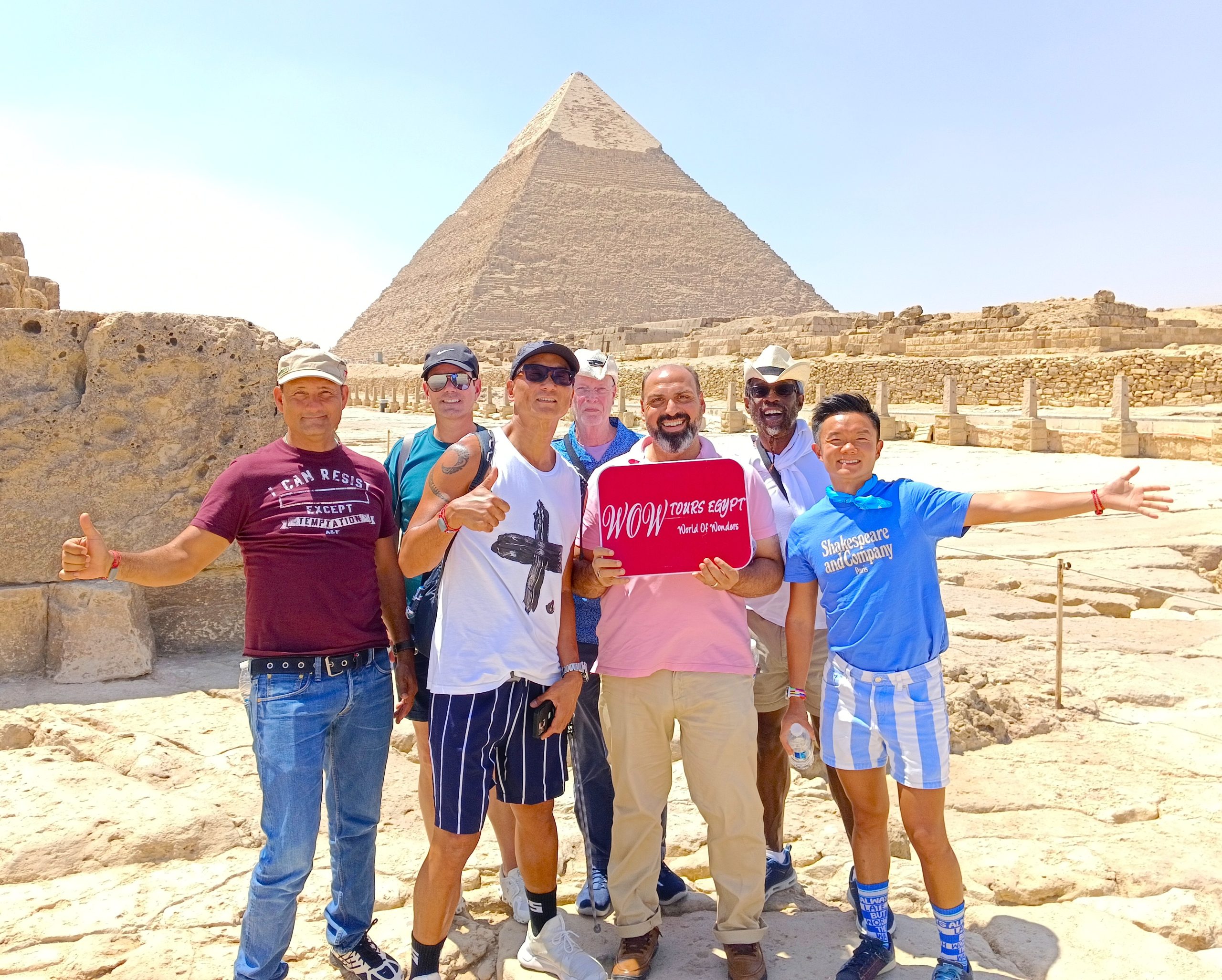
No trip to Egypt is complete without visiting the Pyramids of Giza, one of the Seven Wonders of the Ancient World.

  • Marvel at the Great Pyramid of Khufu.

  • Discover the mystery of the Sphinx.

  • Enjoy a sound and light show at night.

👉 Tip: Arrive early morning to avoid the crowds and heat.


2. Luxor: The World’s Greatest Open-Air Museum

Luxor is home to some of Egypt’s most spectacular temples and tombs:

  • Karnak Temple Complex – A vast site with towering columns.

  • Valley of the Kings – Final resting place of pharaohs, including Tutankhamun.

  • Luxor Temple – Beautifully lit at night.


3. Nile River Cruises

A Nile cruise is the best way to experience Egypt’s history and landscapes.

  • Sail between Luxor and Aswan.

  • Visit temples along the way (Edfu, Kom Ombo, Philae).

  • Relax on deck while watching the Nile scenery.


4. Abu Simbel Temples

Located near the Sudanese border, the Abu Simbel temples are an architectural wonder. Twice a year, the Sun Festival lights up the statues of Ramses II inside the temple.


5. Cairo: Culture and History

Egypt’s capital blends ancient and modern attractions:

  • Egyptian Museum – Home to treasures of Tutankhamun.

  • Islamic Cairo – Mosques, bazaars, and historic streets.

  • Khan El Khalili Bazaar – A shopper’s paradise.


6. Red Sea Resorts

Sharm front (19)

For relaxation and adventure, the Red Sea is unbeatable:


7. Siwa Oasis & Western Desert

For an off-the-beaten-path experience:

  • Siwa Oasis – Known for salt lakes and hot springs.

  • White Desert – Unique rock formations and desert camping.


Conclusion

Egypt in 2025 offers a mix of ancient wonders and modern adventures. Whether you’re exploring the Pyramids, cruising the Nile, or relaxing on the Red Sea, every moment is unforgettable.

👉 Plan your trip today with WOW Tours Egypt and experience the magic of Egypt with expert guides.